









To the untrained eye, a haircut might look like a simple act of shortening hair. But step into a barbershop, watch a barber at work, and you'll quickly realize something deeper: every cut is art. Nowhere is this more obvious than in the fade — the iconic style that's become a symbol of precision, style, and individuality.
A fade seems straightforward: short on the sides, longer on top. But the process is anything but simple. It requires the barber to master both science and art. The science lies in geometry, symmetry, and measurement. The art lies in creativity, flow, and personal flair. Together, they transform an ordinary haircut into a masterpiece.
The Technical Dance
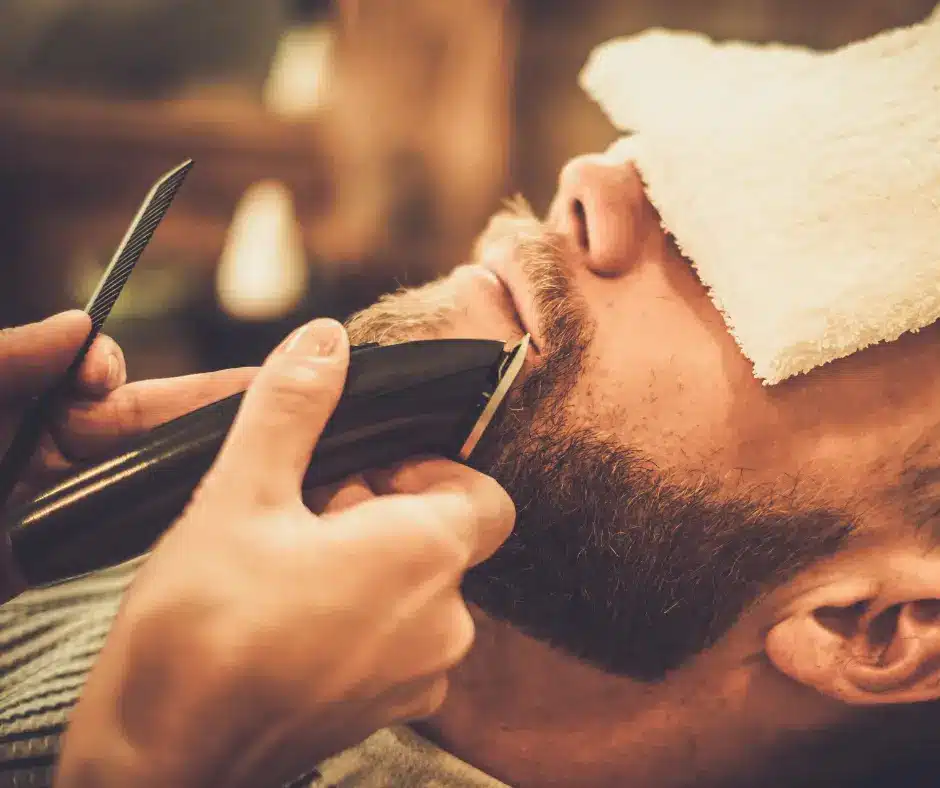
A perfect fade is all about creating a seamless transition from short to long hair. That means the barber must know exactly how to blend different lengths without leaving harsh lines. They switch clipper guards millimeter by millimeter, using flicking wrist motions at just the right angle. They must pay attention to head shape, hair density, and even how light reflects on the scalp. Cutting straight, wavy, or curly hair each requires a different technique. It's a technical dance of precision and patience.
The Art of Expression
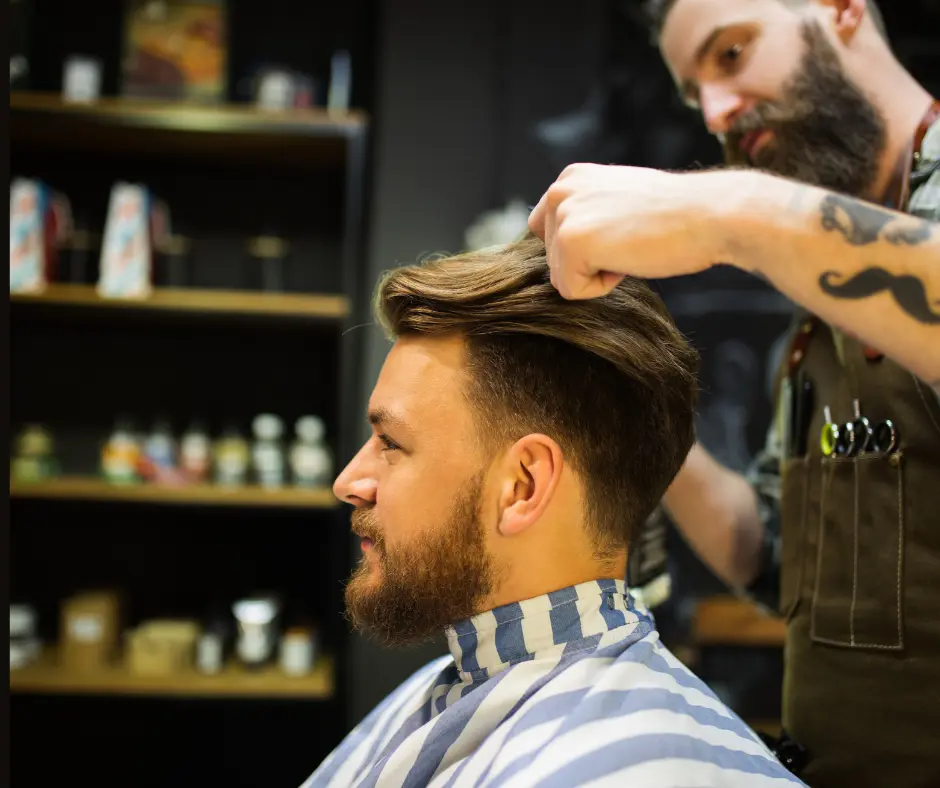
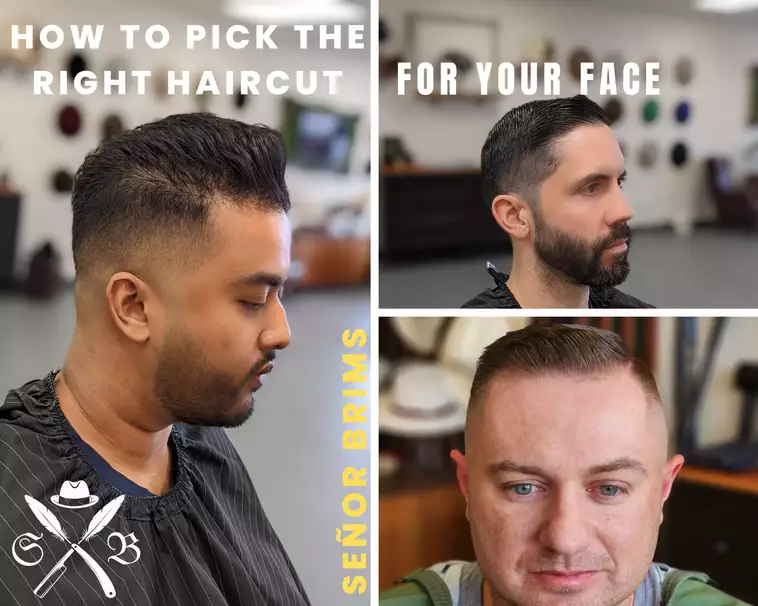
But precision isn't the whole picture. Fades are about expression. Think of the sharp outline of a temple fade, the bold statement of a skin fade, or the clean professionalism of a low fade. Each variation communicates something about the person wearing it. A fade can make someone look sharper, younger, bolder, or more sophisticated depending on the execution.
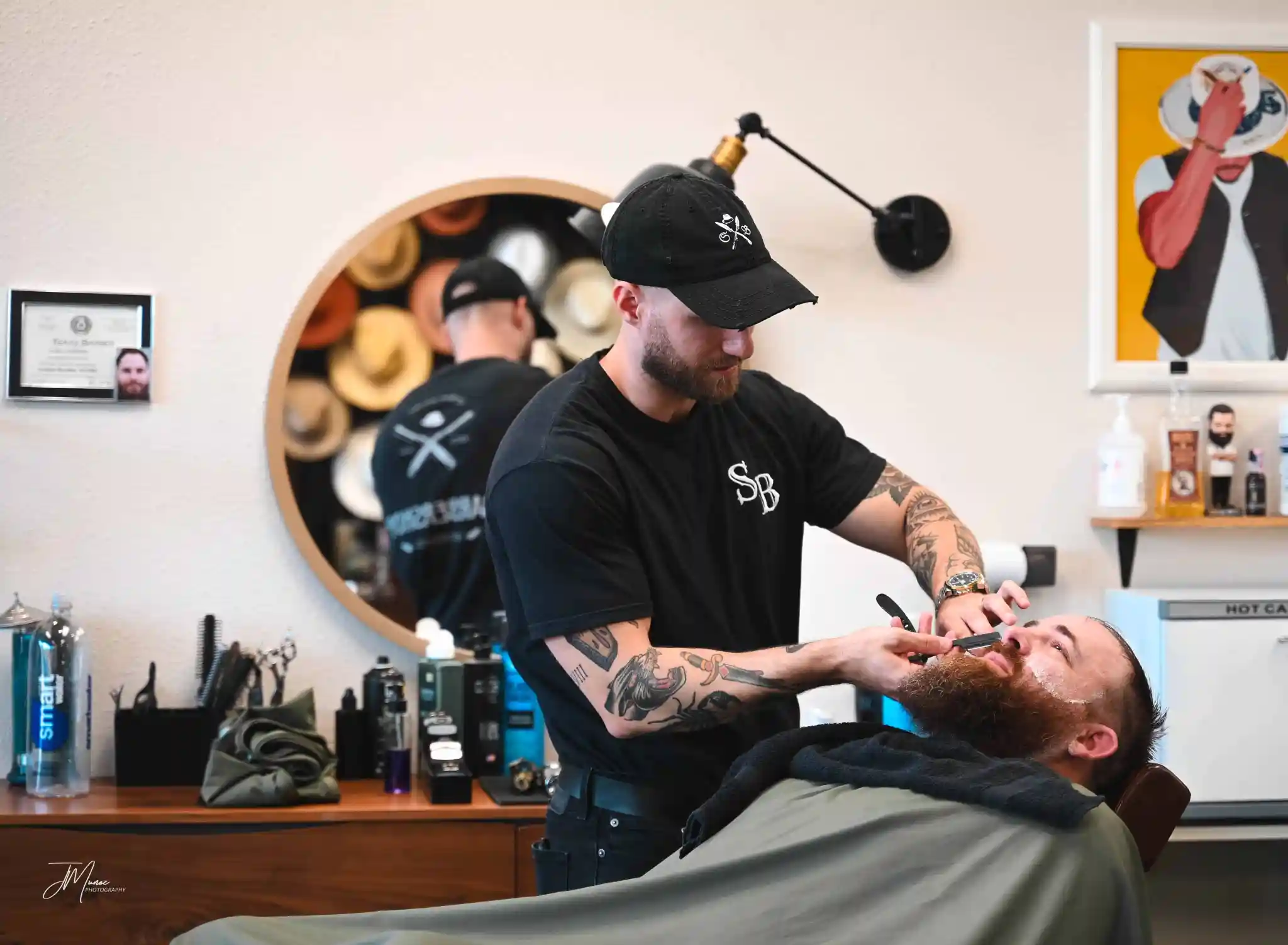
Then there's the art of the details. Barbers often finish a fade with razor edging, giving hairlines and beards crisp, clean outlines. Some add freestyle designs — waves, logos, or patterns carved into the fade itself. In these moments, the barber is more than a stylist — they're a sculptor working with hair as their canvas.
Cultural Significance
What's even more fascinating is the cultural significance of the fade. In many communities, it's not just a haircut, but a statement of identity. For young men, getting their first fade is almost like a rite of passage. For professionals, it's a look of confidence. In music and sports culture, the fade has become iconic, representing style, attitude, and individuality.
The Barber-Client Bond
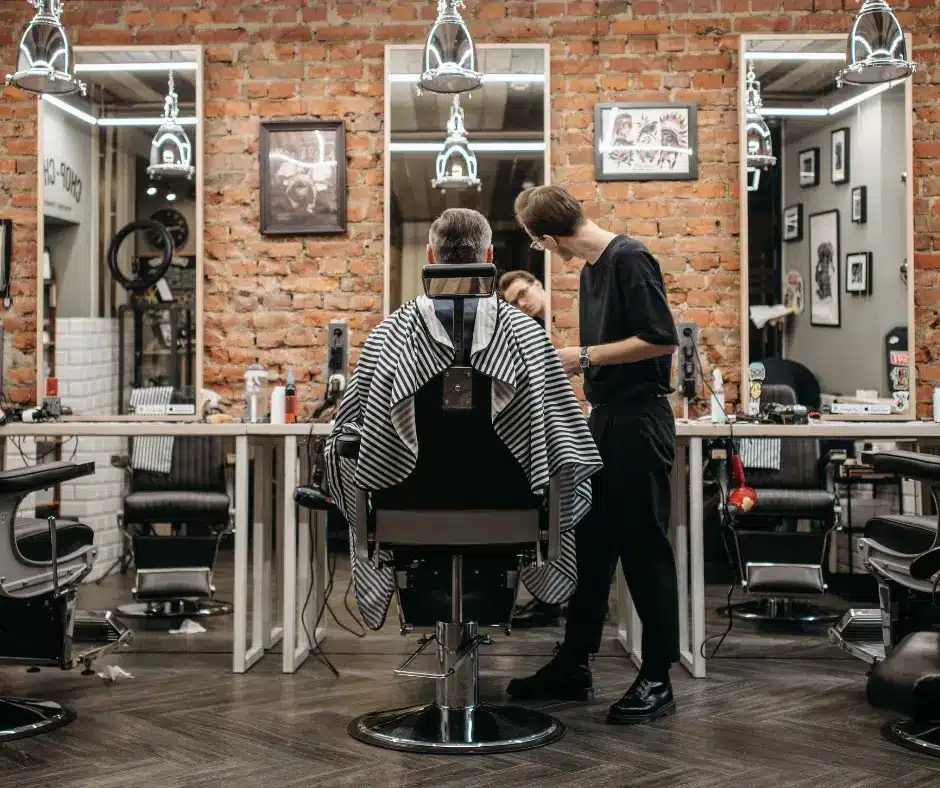
The bond between barber and client adds to this artistry. Getting a fade isn't only about looking good — it's about trust. When you sit in that chair, you're placing your appearance and confidence in your barber's hands. Over time, this trust builds into loyalty. That's why so many people stick with "their barber" for years, even decades.
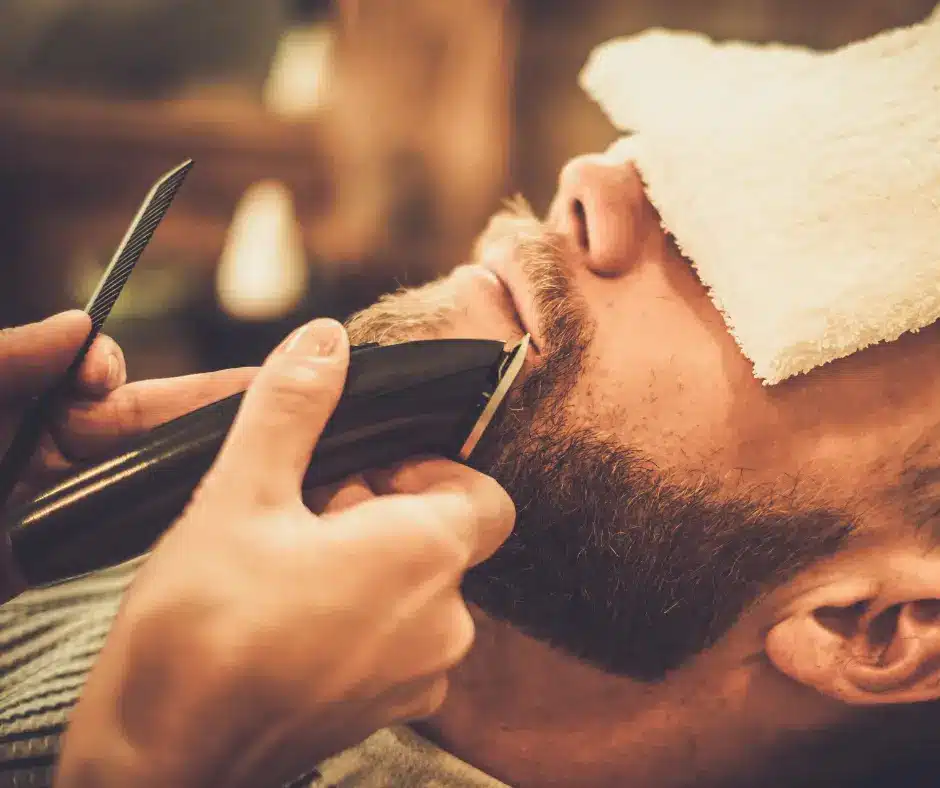
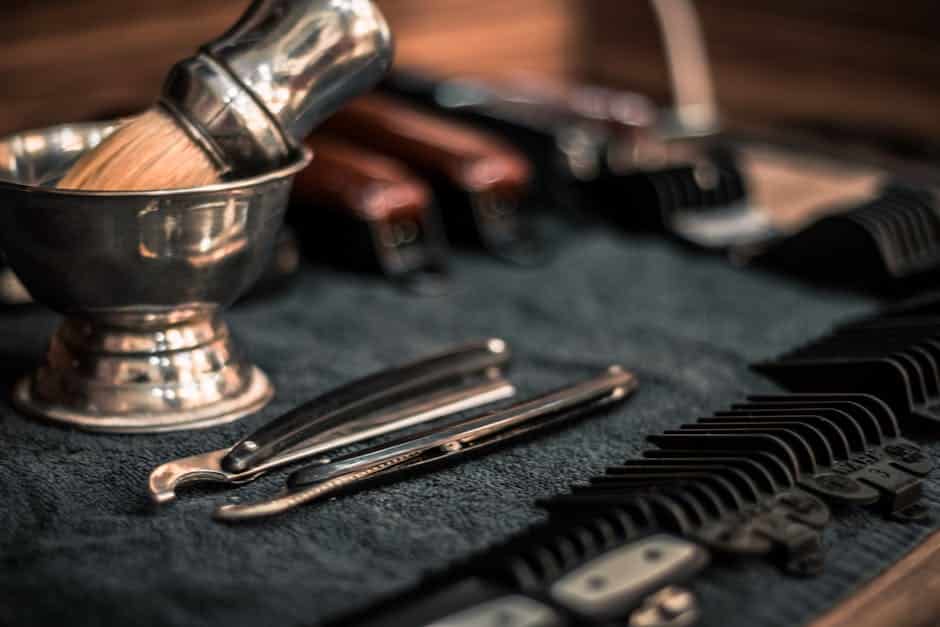
Technology has even elevated the fade's artistry. Clippers are now more advanced, with precision blades and lightweight designs that give barbers more control. Social media has transformed barbers into influencers, showcasing their fades to millions and pushing the craft to new levels.
So, the next time you admire a fresh fade, look beyond the haircut. See the geometry, the symmetry, the flick of the wrist, the steady hand, and the creative eye. Your barber isn't just cutting hair — they're combining science and art, tradition and innovation, technique and imagination.